Chemical Solutions vs Pure Water Pressure Jet Cleaning
Homeowners and property managers across Western Sydney, from Penrith and Blacktown to Parramatta, Liverpool and the Hills District, often face the same question when booking an exterior cleaning job: should the surface be cleaned with pure water pressure alone, or with a chemical solution applied before rinsing? The answer depends on the surface, the type of contamination, the local climate and the long-term result you want. This guide explains how each method works, where each performs best, and how to choose the right approach for your property in 2026.
Understanding the Two Approaches
Pure Water Pressure Jet Cleaning
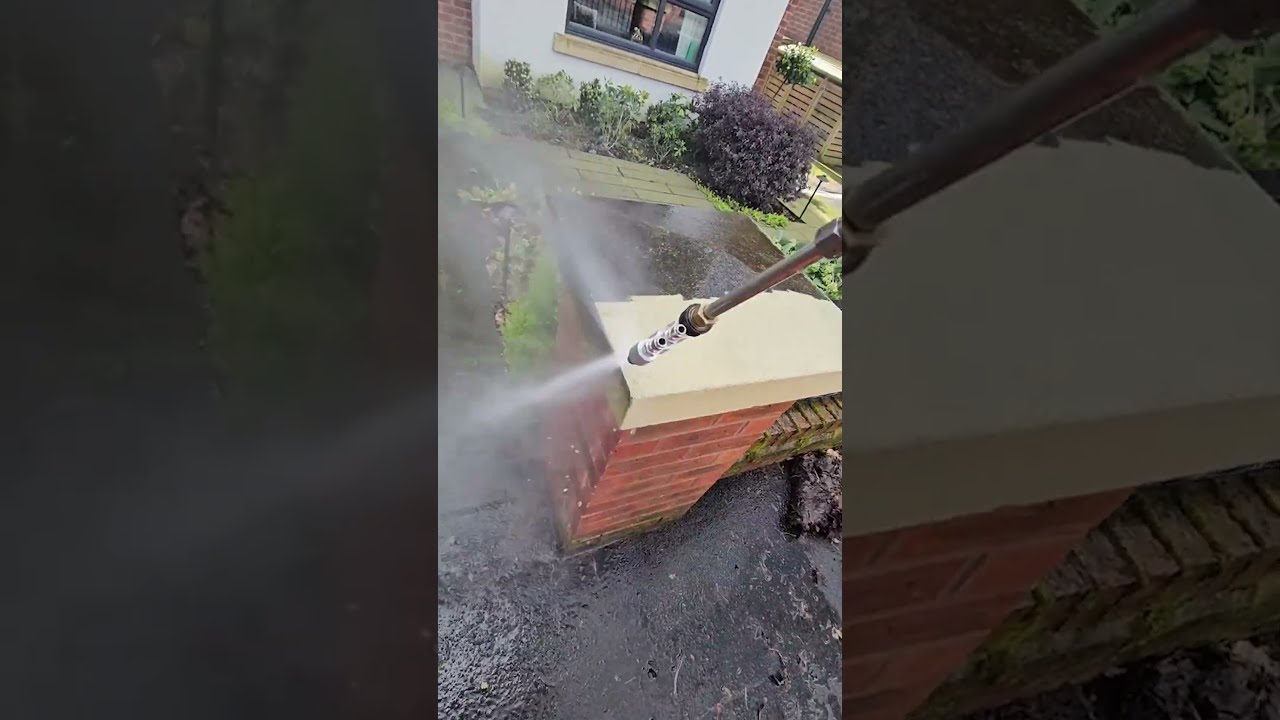
Pure water pressure cleaning relies on the mechanical force of a high-pressure jet to dislodge dirt, loose paint, mud, cobwebs, grime and surface debris. Domestic and commercial machines typically operate anywhere from around 2,000 to 4,000 PSI, and many professional units add hot water to improve results on grease and oils. No detergents or biocides are used, https://pressurecleaningwesternsydney.com.au/about/ so the cleaning action comes entirely from pressure, flow rate, nozzle selection and, where applicable, temperature.
Chemical-Assisted Cleaning
Chemical-assisted cleaning, often called soft washing or detergent washing, applies a cleaning solution to the surface first. Common formulations include sodium hypochlorite-based mixes, surfactants, alkaline degreasers, acidic cleaners for efflorescence and rust stains, and specialised algaecides or fungicides. The solution is left to dwell for a short period, breaking down organic growth and bonded contaminants, and is then rinsed away with low or moderate pressure.
Where Pure Water Pressure Works Best
Pure water pressure is a strong choice when the contamination is loose or the surface is durable. It is also appealing for those who want to avoid chemical runoff near gardens, pets or waterways.
- Concrete driveways and paths: Dirt, tyre marks and light staining often lift well with a rotary surface cleaner and hot or cold water.
- Brick and pavers with surface dirt: Dust, mud and loose debris can be removed without detergents, provided the pressure is controlled to protect mortar joints.
- Fences and decks needing a light refresh: Low-pressure water can remove surface grime from sound timber, though excessive pressure risks gouging and raised grain.
- Pre-paint preparation: Pressure alone is commonly used to strip flaking paint and chalky residue before repainting.
- Construction clean-up: Cement dust, soil and site mud respond well to mechanical cleaning.
The main limitation is that pressure alone seldom kills the roots of mould, lichen or algae. Surfaces may look clean immediately, but organic growth can return quickly, particularly in shaded or damp areas.
Where Chemical Solutions Add Value
Mould, Algae and Lichen
Western Sydney has hot summers, periodic heavy rain and humid spells that encourage biological growth on roofs, north-facing walls, shaded pavers and fences. Chemical treatments penetrate and neutralise the organisms rather than only blasting off the visible layer. This usually delivers a longer-lasting result and reduces the need for repeat cleans.
Roofs and Delicate Surfaces
Concrete and terracotta roof tiles, painted weatherboards, rendered walls and older cladding can be damaged by high pressure. Soft washing uses low pressure combined with an appropriate solution, which protects the surface while still removing black streaking, moss and built-up grime. Forcing water under tiles or into cracked render can lead to leaks and moisture problems inside the home.

Oil, Grease and Rust Stains
Garage floors, driveways beneath parked vehicles and commercial loading areas often carry oil and grease that water alone cannot dissolve. Degreasers emulsify these substances so they can be rinsed away. Specialised acidic products can also reduce rust marks and efflorescence on masonry, though they must be chosen and diluted correctly.
Comparing the Two Methods
- Cleaning power on organic growth: Chemical solutions are generally more effective and longer lasting; pure water mainly removes the visible layer.
- Surface safety: Pure water at high pressure can etch concrete, strip sealers, damage timber and push water behind cladding. Chemicals reduce the pressure needed, but incorrect strength can discolour or corrode some surfaces.
- Environmental impact: Pure water avoids chemical runoff. Chemical methods require responsible handling, dilution, plant protection and controlled wastewater management.
- Longevity of results: Biocidal treatments can slow regrowth for months. Pure water results may fade faster in damp conditions.
- Cost and time: Pure water jobs can be quicker and cheaper for simple dirt, while chemical treatments may take extra time for application and dwell but can reduce repeat cleaning costs.
Environmental and Regulatory Considerations in Western Sydney
Stormwater in Western Sydney drains into local creeks and ultimately into the Parramatta and Hawkesbury-Nepean river systems. Under NSW environmental protection rules, polluted wash water must not be allowed to enter stormwater drains. Councils such as Penrith, Blacktown, Cumberland and Liverpool expect cleaning contractors to manage runoff, particularly on commercial sites, car parks and food premises.
Responsible operators typically use biodegradable detergents, block or cover stormwater pits, capture and vacuum wastewater where required, and direct rinse water onto grass or into the sewer where permitted. Homeowners should ask a contractor how they manage wastewater and which products they intend to use. In 2026, increased awareness of waterway health means many councils and strata managers specifically request environmentally responsible cleaning practices.
Surface-by-Surface Guide
Concrete Driveways
Use pure water with a surface cleaner for general dirt. Add a degreaser for oil spots and a mould treatment for shaded, green or black areas. Resealing after cleaning helps resist future staining.
Roof Tiles
Soft washing is usually preferred. High pressure can erode the surface coating, loosen tiles and force water into the roof cavity. Treatment of moss and lichen helps prevent regrowth.
Timber Decks and Fences
Use low pressure with a timber-safe cleaner to remove greying, algae and tannin stains. Allow timber to dry fully before applying oil, stain or sealant.
Painted Walls and Render
Soft washing with mild detergent is typically safest. Avoid close-range high pressure, which may strip paint or damage the finish.
Pavers and Outdoor Entertaining Areas
A combination often works best: chemical treatment for algae and mould, followed by controlled pressure rinsing. Re-sanding joints and sealing the surface afterwards can protect against weeds and stains.
Risks of Getting It Wrong
- Excessive pressure can leave streaks, lines or etched patterns known as zebra striping on concrete.
- Water forced into walls, windows, switchboards or roof spaces can cause moisture damage.
- Incorrectly mixed chemicals can bleach timber, harm plants, corrode metal fittings or leave residues.
- Poor wastewater management can result in council or EPA penalties.
How to Choose the Right Method
Start by identifying what you are removing. If the problem is loose dirt or dust on a hard surface, pure water pressure is usually sufficient. If you see green, black or orange growth, oil, rust or recurring stains, a chemical-assisted clean will almost certainly deliver better and longer-lasting results. For fragile or older surfaces, soft washing is the safer option.
When requesting quotes from Western Sydney cleaners, ask about the following:
- What pressure levels and nozzles will be used on each surface?
- Which chemical products are proposed, and are they biodegradable or suitable for use around plants and pets?
- How will wastewater and stormwater drains be managed?
- Is public liability insurance held, and are staff trained in chemical handling?
- What aftercare, such as sealing or preventive treatments, is recommended?
Maintenance Tips to Extend Results
Regular upkeep reduces how often deep cleaning is needed. Trim overhanging branches to increase sunlight and airflow, clear gutters to prevent overflow staining, and sweep hard surfaces to remove leaf litter. Sealing concrete, pavers and timber after cleaning makes future dirt easier to remove. Many Western Sydney homes benefit from an annual exterior wash, with shaded or high-growth areas treated more often.
Final Thoughts
Neither method is universally better. Pure water pressure jet cleaning is efficient, chemical-free and ideal for durable surfaces with loose dirt, while chemical solutions and soft washing excel at tackling biological growth, grease and delicate surfaces. Often the best result comes from combining both: treating the surface with a suitable solution, then rinsing with the correct pressure. By matching the method to the surface and contamination, and choosing a contractor who follows responsible environmental practices, Western Sydney property owners can protect their investment and keep their homes and businesses looking their best in 2026 and into 2027 and beyond.
Western Sydney Pressure Cleaning
Unit 2/1 Cowpasture Pl, Wetherill Park NSW 2164
(02) 9000 1596